
Maui Parton handled flight cancellations. Maui Wahlberg coached travelers on loyalty perks. Hawaii Heckler, a retention agent with a raspy, Tarantino-inspired voice, signed off every call with “I am gonna Kill Bill.” One agent refused to discuss your flight until you told it your favorite animal. And one handed out first-class upgrades to the industry analysts who were testing it.
Those are real AI agents, built in a single session by the people whose job is to evaluate vendors like us. Apparently, that job gets a little easier from seat 1A.
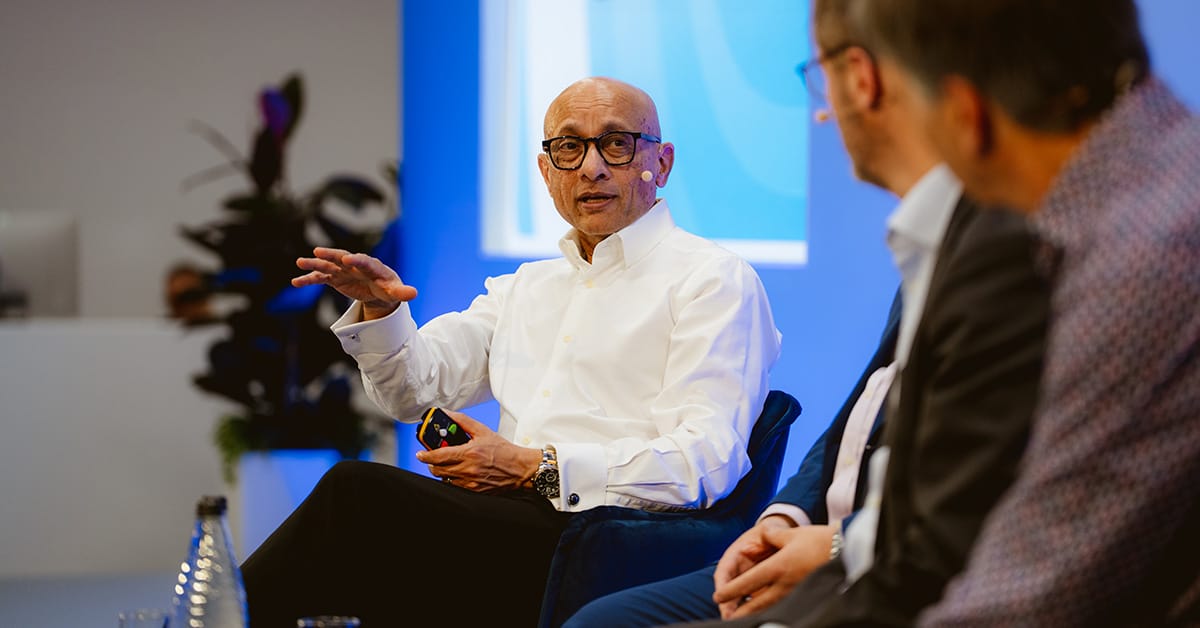
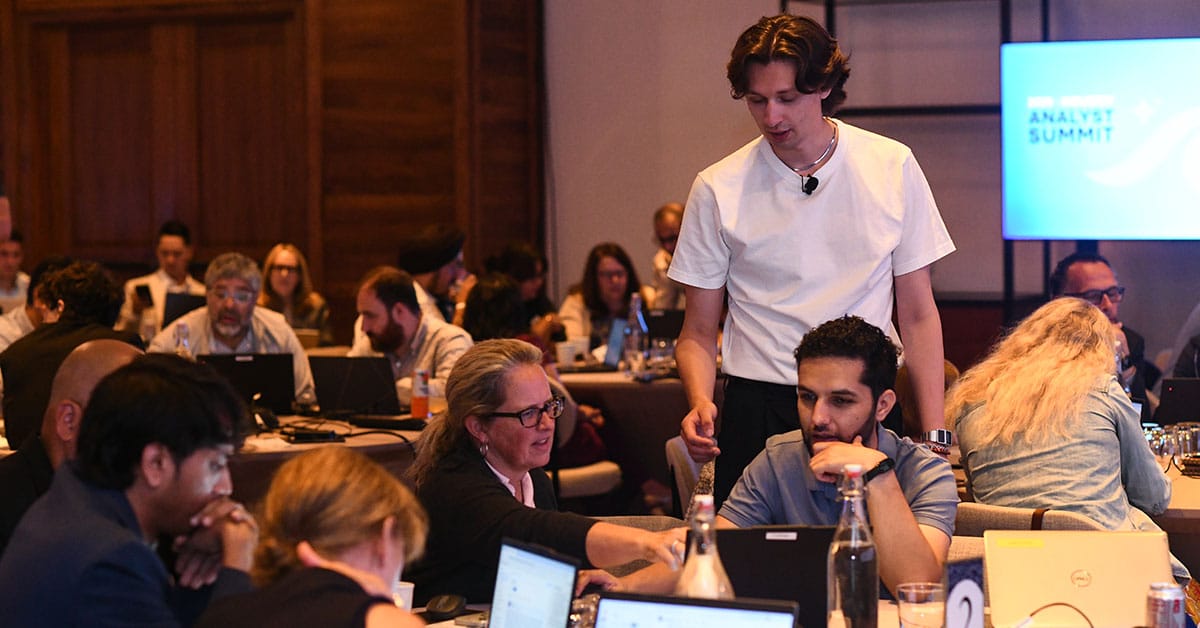
At the NiCE Analyst Summit in Maui, we ran a hands-on exercise called the AI Factory. More than 50 industry analysts sat down at laptops and built working AI agents on NiCE Cognigy, our platform for building and running AI agents for customer experience.
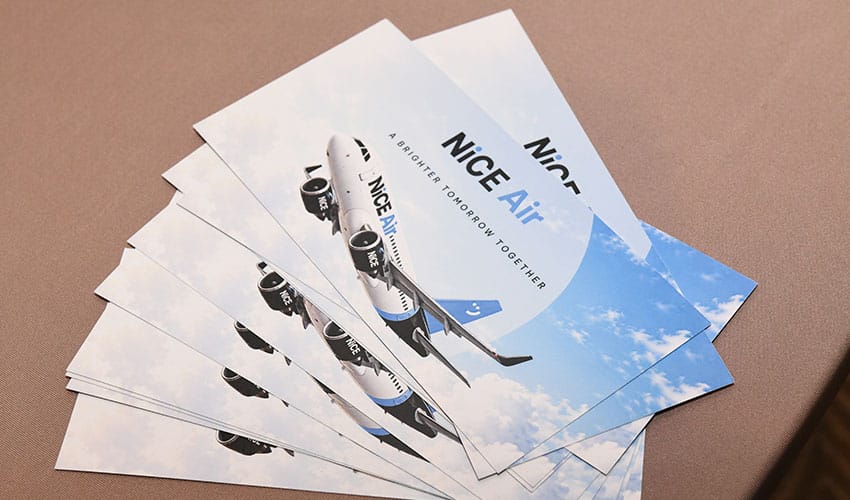
The setting was NiCE Air, a fictional airline having the worst day of its existence. A storm had closed the airport, flights were cancelled, bags had flown on without their owners, and nobody had planned on a hotel. Each analyst had a booking reference tied to a real record in a demo database and a specific problem to fix. The assignment was to build an agent that could help, then call it on the phone.
Everything ran in a prepared sandbox with sample data. Laptops were ready, with nothing to install. NiCE Air had enough problems without adding software setup.
Start with what customers are actually calling about
Before Maui Parton could rescue anyone’s vacation, we needed to know what was going wrong.
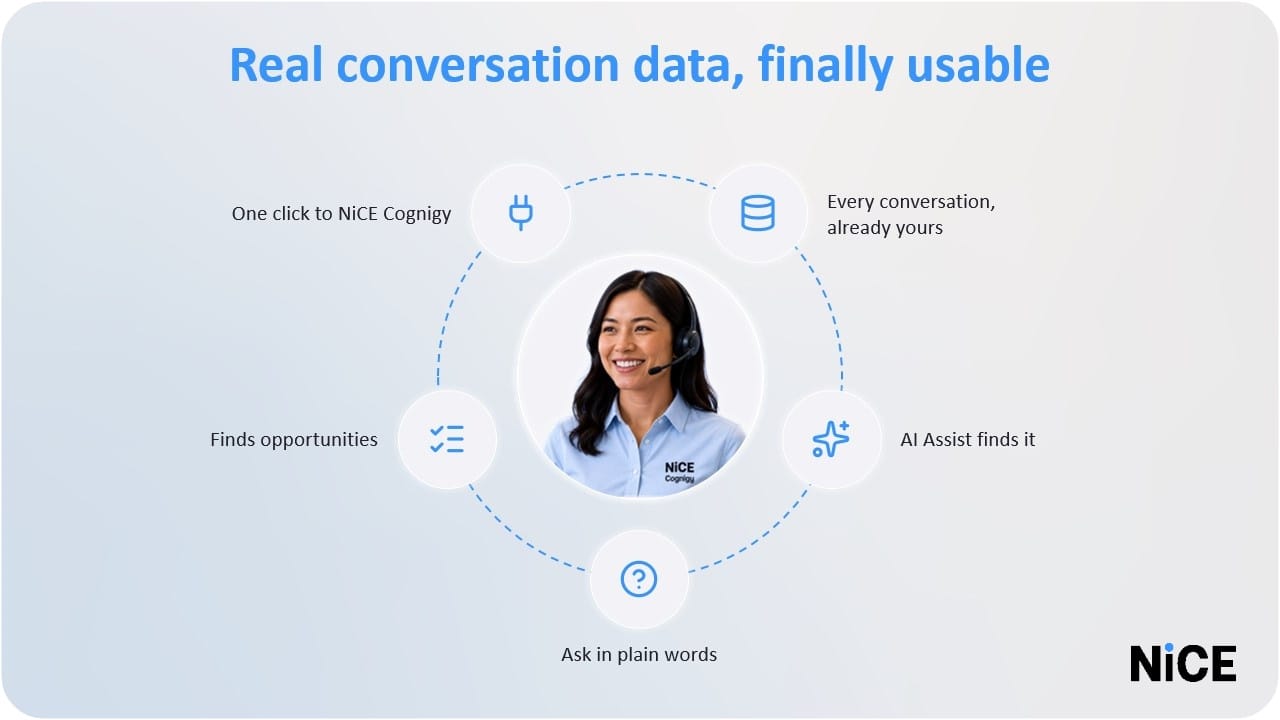
Analysts started with Agentic Analytics, the part of the platform that analyzes customer conversations. They typed questions the way a manager would. What are people most frustrated about this month? Which problem is most worth automating? The answers came from the conversations themselves, not from a report someone wrote last quarter.
From one of those opportunities, a single click on Publish AI Agent created an agent in NiCE Cognigy with proposed skills, tools and handoffs, all open for review. Skills group related tasks. Tools let the agent take actions, such as looking up a booking. Builders could inspect the proposed configuration, including identity-verification and escalation steps, before accepting it.
The data supplied the use case. The room supplied the stage names.
Give it a personality, then a job
Next, each team built a second agent from scratch, starting with one sentence. Help NiCE Air passengers with cancelled or delayed flights, using our policies and our booking system.
They set up a persona, with sliders for how concise and how formal the agent should sound. This is where NiCE Air’s brand guidelines became a little adventurous.
Voya was told to stay sassy and chat as long as the caller wanted. Amir Parton greeted passengers with “Hey Dude, Howzit… what’s up bruh?” Cavo needed to know your favorite animal. Hawaii Heckler’s job was to talk customers out of cancelling, and its idea of persuasion was menace.
The jokes came with business rules, too. One Maui Parton was told to get explicit permission whenever a cancellation cost more than half the ticket price. It could offer repeat customers a 10 percent voucher, but only 20 a day, because the instructions warned against “handing out these vouchers like candy.” After 20, the instructions called for a handoff to a human supervisor.
Maui Parton could be generous. Just not indefinitely.
An agent also needs to know things and do things. For the knowing, teams uploaded the NiCE Air policy documents to AI Assist, NiCE Cognigy’s built-in assistant, and gave it one instruction. “Attach this knowledge to the newly created agent.” That gave the agent approved policy content to draw on for answers about bags, fares, loyalty and delays.
For the doing, they uploaded a statement of work. AI Assist read it, proposed a plan for the tools and connections it described, including the booking database and third-party integrations, and built them once the team approved. PDF in, tools out. Nobody wrote integration code during the exercise.
One team ended up with a First-Class Upgrade Agent that automatically upgraded the analysts testing it. The analysts were discovering the power of connected tools. Coincidentally, their travel arrangements were improving.
That agent could do more than talk about a booking. It could act on one. Which made this an excellent time to talk about controls.
Be exact when you have to, creative when you can
A first-class upgrade is a crowd-pleaser. An agent you would put in front of customers also needs knowledge, skills, tools, guardrails and a way to see what it is doing. That is the harness around the model, and it is where a platform earns its keep.
Everything AI Assist generated stayed visible and editable. Builders could inspect instructions, skills and tools, alongside four configurable guardrail categories covering harmful content, ungrounded responses, copyright and jailbreak attempts.
The bigger design question is how much freedom an agent should have. Agentic behavior suits the open-ended parts of a conversation, such as understanding a frustrated passenger and working out what they need. Other steps call for defined business logic. A refund, an identity check or a compliance disclosure should follow a set process.
Maui Parton could improvise the small talk. The refund math needed to follow the rules.
NiCE Cognigy lets you use both approaches in the same agent. Any flow you have already built, a step-by-step process with defined business logic, can become a tool the agent calls. The agent handles the conversation, and the flow executes the defined steps. Builders decide where to give the agent flexibility and where to use an exact process.
Test it like a stranded passenger
Each analyst picked up a boarding pass for a flight that had gone wrong, with a booking reference tied to a record in the demo database. They opened the built-in test chat and played the passenger. Rebook me. Find my bag. Can my dog come along?
The people who ask vendors difficult questions now had an airline agent to interrogate. Advanced Mode let them follow the agent’s decisions along the way.
Presenters also showed the Simulator, which tests agents against synthetic, autonomous users. That extends testing beyond the scenarios a builder happens to think of, even in a room with this much enthusiasm for finding the edge cases.
Then the creations got a phone line.
Teams pointed a click-to-call endpoint at their agent, saved, and called it. Same agent, same knowledge, same tools, a different channel, with nothing rebuilt. It was a live endpoint in the sandbox, and the agent could answer out loud.
There was no need to rebuild Maui Parton for a speaking role.
Build once, keep improving
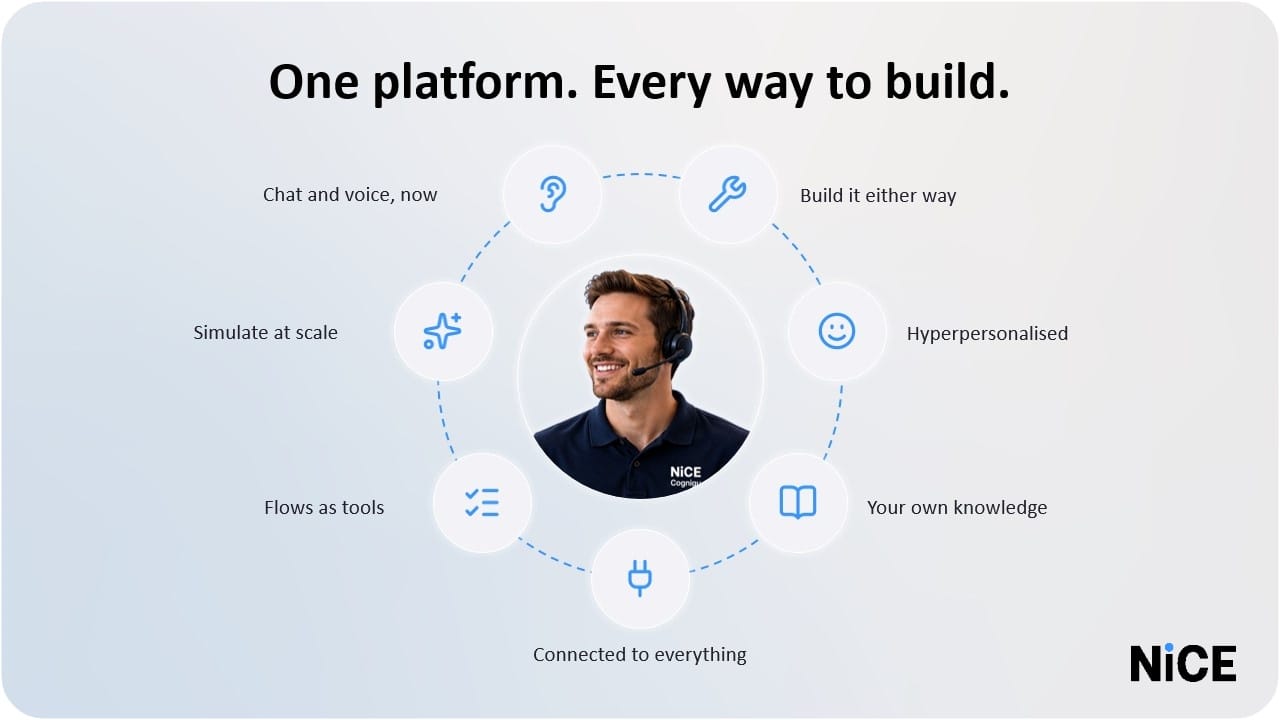
An agent’s first day should give you something to improve for its second. After go-live, Agentic Analytics suggests changes based on how the agent performs, so what happens in service feeds what builders change next.
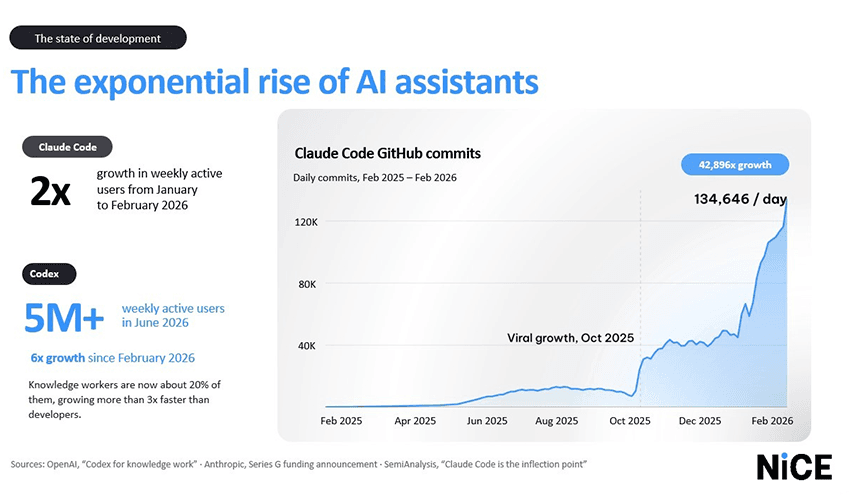
Teams that build with code can bring in coding assistants like Claude Code, Codex and Cursor through the NiCE Cognigy Agent Plugin. It gives those assistants workflow guides, access to the platform through MCP, a standard for connecting AI applications to tools and data, and current documentation. Builders review the work. Business users, developers and coding agents can contribute to the same platform.
The ways to build keep expanding. The spelling of “Maui Parton” remains a human decision.
The point of the AI Factory
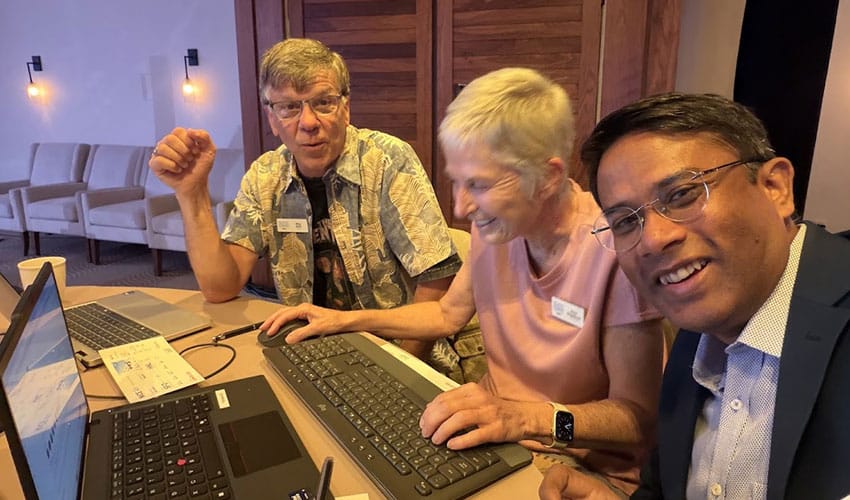
In a single session, analysts who had never touched the platform-built agents with policy knowledge, connections to a booking system and a working phone endpoint. They could inspect the configuration, test the experience and see how the agent made decisions.
They spent their energy on customer problems, agent personalities and trying to break things. The platform made it possible to get that far without spending the session on setup or integration code.
That is a useful challenge for enterprises still discussing where to begin. Choose a customer problem worth solving. Build an agent around the knowledge and actions it needs, and test it against the situations customers face. You can learn a great deal once you have something working in front of you.
By the end of the AI Factory, nobody needed another slide to explain what an AI agent could do. They had already built, tested and deployed one themselves.
Maui Parton will be a tough act to follow.