


AI workflow orchestration is the intelligent coordination of multi-step, multi-system business processes — ensuring tasks execute in the right sequence, with the right data, adapting to real-time conditions. Where automation handles individual tasks, orchestration manages the dependencies, handoffs, and decisions that connect those tasks into coherent end-to-end processes.
Automation vs. Orchestration: The Core Distinction
Automation executes a defined task. Orchestration coordinates a sequence of tasks across systems, actors, and time — maintaining state, managing handoffs, handling exceptions, and adapting the process path based on real-time signals. The difference matters at scale: without orchestration, automated tasks generate output that no system is responsible for acting on next.
AI Workflow Orchestration in Contact Centers
According to NiCE, organizations that deploy AI workflow orchestration for end-to-end customer journey management achieve 30–40% improvements in cross-channel experience consistency and a 20% reduction in repeat contact rate. The orchestration layer maintains full customer context as interactions move between digital channels, voice, and back-office systems — ensuring every agent has the complete picture.
Enterprise Architecture Requirements for Orchestration
Enterprise AI workflow orchestration requires: long-running process management (hours to days, not just seconds), asynchronous event handling, cross-system state persistence, AI decision logic at key process junctions, and comprehensive audit trails for compliance. These requirements rule out lightweight automation tools and require purpose-built orchestration engines.
The Business Case for AI Workflow Orchestration
The business case is strongest where processes span multiple departments, systems, and time horizons — financial close, customer onboarding, service delivery, and compliance management. In these environments, the lack of orchestration creates hand-off failures, context loss, and accountability gaps that cost organizations significantly in rework, delays, and compliance risk.
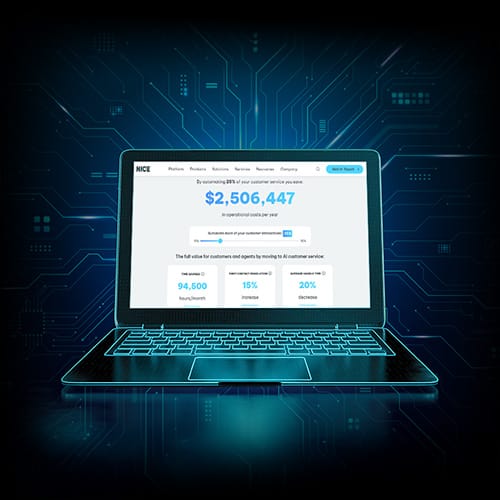
Discover the full value of AI in CX
Understand the benefits and cost savings you can achieve by embracing AI, from automation to augmentation.
Related pages
- AI workflow automation
- AI workflow automation software
- Best AI workflow automation tools
- Intelligent workflow automation
- AI-powered workflow automation
- Workflow automation AI
- AI workflow automation platform
- AI workflow automation examples
- AI workflow automation use cases
- How to automate workflows with AI
- Generative AI workflow automation
- AI agents for workflow automation
- AI workflow automation vs RPA
- What is AI workflow automation
- Benefits of AI workflow automation
- Agentic AI workflow automation
- AI workflow automation for contact centers
- Enterprise AI workflow automation
- AI workflow automation for customer service
- AI automated decisioning
- AI workflow automation for sales
- AI workflow automation for CX
- AI workflow automation ROI
- AI workflow automation for operations
- AI workflow automation for support
- AI workflow automation strategy
- AI workflow automation vs business process automation
- AI workflow automation for productivity
- AI workflow automation FAQs
FAQs

Ready to experience the power of one platform?
Let us show you how NiCE can unify, automate and elevate your entire customer experience - with AI at the core and outcomes at the forefront.